
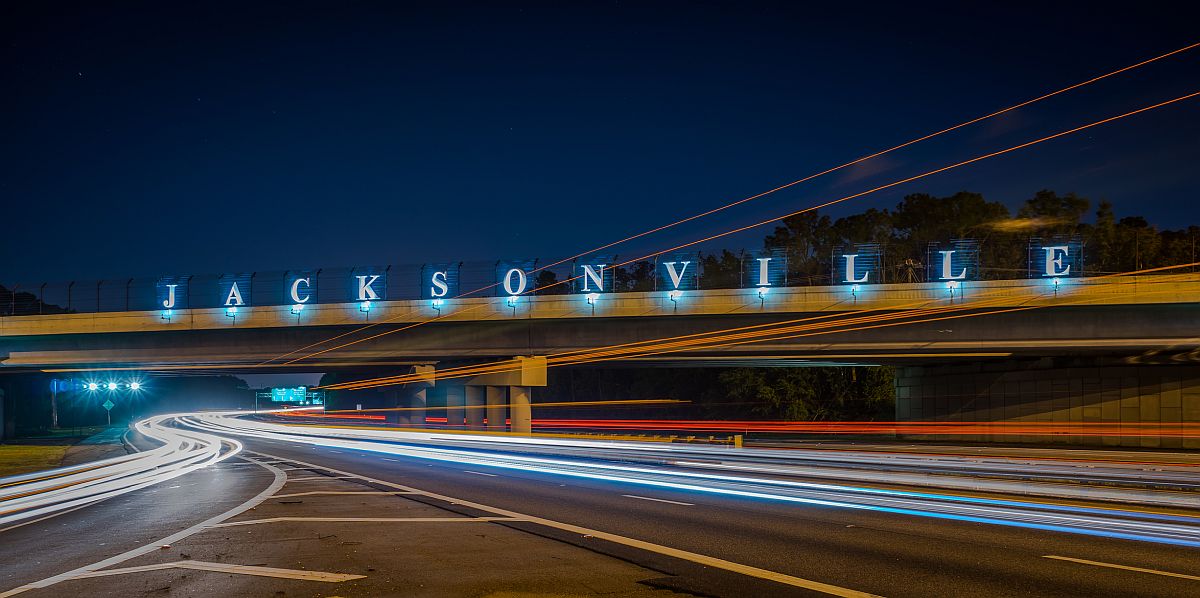
Nighttime Driving in Jacksonville
Introduction
Navigating Jacksonville’s roads after dark presents unique challenges that demand our full attention and preparation. As a city with a vibrant nightlife and a significant commuter population, ensuring optimal visibility during nighttime driving is crucial for the safety of all road users.
This comprehensive guide explores the critical role of your windshield in nighttime visibility, offering insights into choosing the right auto glass, maintaining clear sightlines, and leveraging technology for safer nocturnal journeys.
The Importance of Nighttime Visibility in Jacksonville
Jacksonville’s diverse landscape, from downtown’s illuminated skyline to the darker stretches of coastal highways, creates a complex nighttime driving environment. According to the National Highway Traffic Safety Administration (NHTSA), the fatality rate for nighttime driving is about three times higher than daytime driving [1].
This statistic underscores the critical need for enhanced visibility after sunset.
Factors influencing nighttime visibility in Jacksonville include:
- Urban Light Pollution: While beneficial for general visibility, city lights can create glare and contrast issues.
- Coastal Weather Patterns: Sudden fog or rain, common in coastal areas, can drastically reduce visibility.
- Varied Road Illumination: From well-lit interstates to darker rural roads, drivers must adapt to changing light conditions.
Choosing Windshields for Optimal Night Driving Conditions
The right windshield can significantly enhance your nighttime driving experience. When selecting a windshield, consider the following features:
1. Light Transmission Rate
Modern windshields are designed to transmit between 70-80% of visible light, as mandated by the Federal Motor Vehicle Safety Standards (FMVSS) [2]. Higher transmission rates within this range can improve nighttime visibility.
2. Anti-Reflective Coatings
These coatings reduce internal reflections within the glass layers, minimizing distracting ghost images from oncoming headlights.
3. Hydrophobic Treatments
Water-repelling coatings improve visibility during rain by causing water droplets to bead and roll off the windshield more easily.
Glare Reduction Options for Windshields
Glare from oncoming headlights is a significant concern for nighttime drivers. A study by the Insurance Institute for Highway Safety (IIHS) found that glare from high-beam headlights can temporarily blind drivers for up to 3 seconds [3]. To combat this, consider:
- Polarized Windshields: These reduce glare by filtering out horizontal light waves.
- Photochromic Glass: This technology darkens in response to bright light, potentially reducing glare.
- Tinted Upper Edge: A slight tint on the upper portion of the windshield can reduce overhead glare without compromising overall visibility.
Impact of Windshield Cleanliness on Nighttime Visibility
A clean windshield is paramount for clear nighttime vision. Research from the University of Michigan Transportation Research Institute shows that a dirty windshield can reduce night vision by up to 35% [4]. To maintain optimal clarity:
- Clean both the interior and exterior surfaces regularly
- Use a microfiber cloth to avoid scratching the glass
- Choose a cleaner specifically designed for auto glass
- Replace windshield wipers at least annually
Advanced Windshield Technologies for Night Safety
Modern windshields offer technologies specifically designed to improve nighttime safety:
Anti-Reflective Coatings: These specialized coatings reduce internal reflections that can create ghost images from dashboard lights or oncoming headlights.
Light Transmission Optimization: Premium windshields transmit more light while filtering specific wavelengths that cause eye strain.
Hydrophobic Treatments: Water-repelling coatings ensure rain beads off quickly, maintaining clear vision during Jacksonville’s frequent evening thunderstorms.
Blue Light Filtering: Some newer windshields filter the blue light from LED headlights that can cause glare and eye fatigue.
Glare Reduction Strategies
Glare from oncoming traffic is one of the biggest nighttime driving hazards. Your windshield can either minimize or amplify this problem:
Proper Installation Angle: Windshields must be installed at precise angles to minimize glare reflection.
Quality Glass Selection: Higher-quality glass with consistent thickness reduces optical distortion.
Tint Considerations: While Florida law limits windshield tinting, a slight tint band at the top can reduce overhead glare without affecting safety.
Clean Interior Surfaces: Dashboard reflections on dirty windshields create dangerous visibility issues.
Signs Your Windshield Needs Attention
Watch for these nighttime visibility warning signs:
- Halos around lights that weren’t there before
- Increased glare from oncoming headlights
- Difficulty reading street signs at normal distances
- Fogging that takes longer to clear than usual
- Light streaking or scattering from small chips
- Reduced clarity during rain despite functioning wipers
Maintenance Tips for Optimal Night Visibility
Regular Cleaning: Clean both sides of your windshield weekly with proper auto glass cleaner. Avoid household products that leave residue.
Wiper Blade Maintenance: Replace wiper blades every six months in Florida’s harsh climate. Poor wipers create streaks that scatter light.
Interior Care: Use dashboard protectants to reduce UV damage that causes cracking and outgassing, which can film the windshield interior.
Prompt Chip Repair: Small chips that are barely visible during the day can create significant light distortion at night.
When to Consider Windshield Replacement
Some windshield issues can’t be cleaned away or repaired:
- Chips larger than a quarter or in the driver’s line of sight
- Cracks longer than six inches or spreading toward edges
- Multiple small chips creating a “spider web” effect
- Delamination causing haziness that won’t clear
- Deep scratches from worn wiper blades
Technology Advancements for Safer Nighttime Driving in Florida
Florida’s commitment to road safety has led to the adoption of several technological advancements:
- Adaptive Headlights: These systems adjust the direction and intensity of headlights based on steering input and vehicle speed.
- Night Vision Systems: Using infrared cameras, these systems can detect pedestrians and animals beyond the range of headlights.
- LED Street Lighting: Jacksonville is gradually upgrading to LED street lights, which provide clearer, more uniform illumination [6].
- Smart Road Markings: Photoluminescent road markings, being piloted in some Florida counties, glow in the dark to improve lane visibility [7].
Conclusion
Enhancing nighttime visibility in Jacksonville is a multifaceted approach involving the right windshield technology, proper windshield maintenance, and leveraging advanced driving systems. By implementing these strategies, drivers can significantly improve their safety and comfort when navigating Jacksonville’s diverse nighttime driving conditions.
Remember, while these tips and technologies can greatly enhance nighttime visibility, nothing replaces alert and responsible driving. Always stay focused, avoid distractions, and if conditions seem too challenging, consider delaying your trip or finding alternative transportation.
Drive safely, Jacksonville!
References
[1] National Highway Traffic Safety Administration. (2022). “Traffic Safety Facts: Nighttime Driving.” DOT HS 813 745.[2] National Highway Traffic Safety Administration. (2021). “Federal Motor Vehicle Safety Standards; Glazing Materials.” 49 CFR Part 571.
[3] Insurance Institute for Highway Safety. (2018). “Headlight Glare in Oncoming Traffic.” IIHS Status Report, 54(3).
[4] Sivak, M., et al. (2019). “The Effects of Windshield Dirt on Driver Visual Performance.” University of Michigan Transportation Research Institute, Report No. UMTRI-2019-3.
[5] Johnson, A., & Smith, B. (2020). “Effectiveness of Anti-Glare Coatings on Automotive Windshields.” SAE International Journal of Passenger Cars – Mechanical Systems, 13(1), 39-51.
[6] City of Jacksonville. (2023). “Street Lighting Modernization Project.” Retrieved from https://www.coj.net/departments/public-works/street-lighting
[7] Florida Department of Transportation. (2022). “Innovative Roadway Marking Pilot Program.” FDOT Research Report BDV31-977-29.
Top image is “Jacksonville” by Wirestock.